Solo Song: Choosing a Lightweight 1P Tent for Hiking and Backpacking
Opening — the problem that sets the rhythm
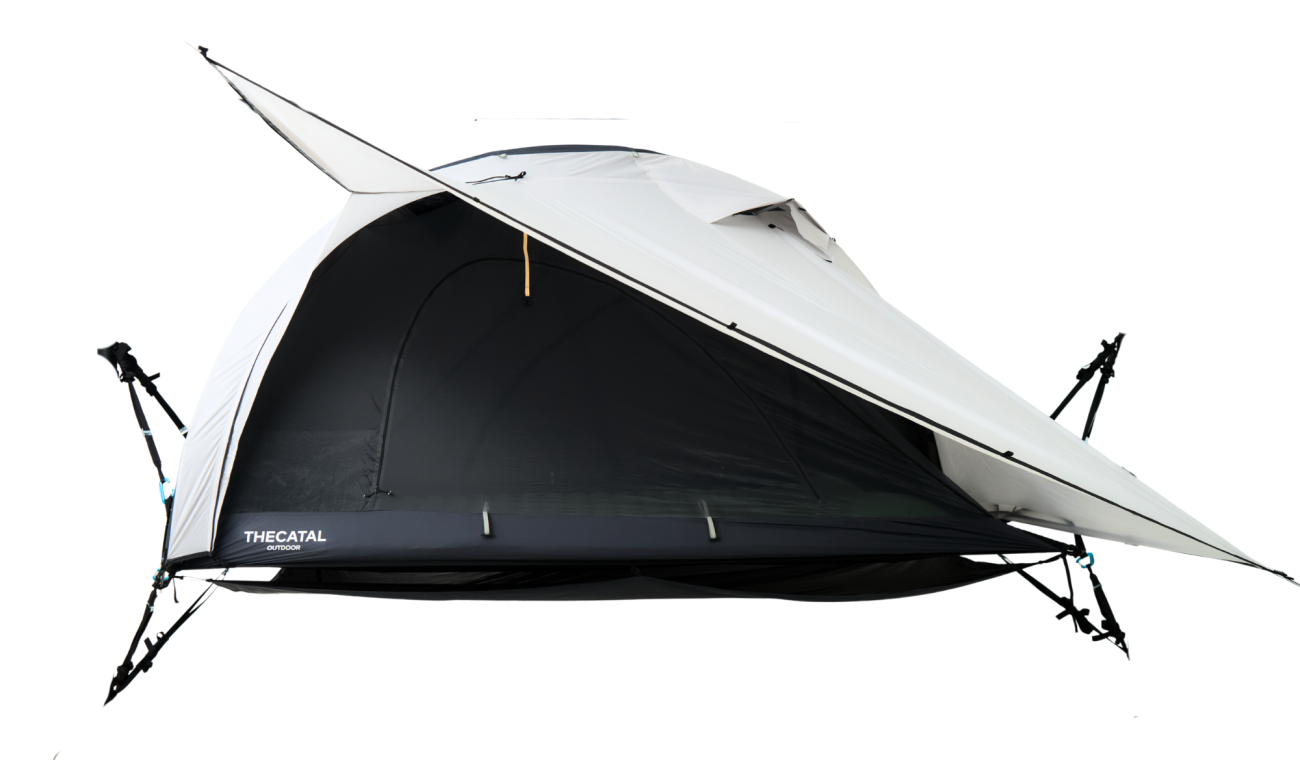
I want light on my back and shelter that sings with wind, but too many tents promise weightless freedom and deliver wet, noisy regret. For anyone packing for long miles, the core problem is simple: how do you keep weight under control without losing weather protection, livable space, or a sane setup after dusk? My notes from trail nights, and the gear lists of miles-driven hikers, point to one recurring answer: prioritize a true hiking tent ultralight design that balances shelter performance with real-world use. The rest is choices that either solve or worsen the problem.
What breaks first — common failures to avoid
Think of failures as broken chords. The most frequent: buying “ultralight” that rips at first brush, ignoring vestibule size (so pack ends up inside the damp tent), choosing a single-wall without considering condensation, and picking a tent with a fussy setup after a long day. Those mistakes turn saved ounces into lost sleep. Hear this: a light tent that can’t stand a night of wind, or that forces you to cook inside, isn’t light — it’s just inconvenience redistributed.
Hard metrics and the features that actually matter
Decide by numbers and simple tests. For a 1P backpacking tent, useful thresholds: shelters under 1.5 kg (about 3.3 lbs) are practical for multi-day trips; sub-1 kg (2.2 lbs) systems exist but usually demand trade-offs. Seek a reliable pole system, taped seams, a real vestibule for gear, and vents positioned to cut condensation. Fabric denier and silicone or PU coatings tell you durability and water resistance; heavy-duty stakes and reinforced tie-outs tell you windworthiness. Don’t buy marketing—touch the materials, check pole repair options, and confirm the packed volume fits your pack’s lid or external straps.
Field anchor — tested on real high ground
On a week crossing of the Sierra Nevada I used a near-minimal setup to push the limits of weight versus function; that kind of alpine exposure separates kits that are clever from those that fail. That season taught me the value of a stowed vestibule, a reliable guying layout, and a tent that repels wind while still breathing — the kind you find when you compare the lightest choices like a true lightest camping tent against bulkier but sturdier models. Practical field time, not spec sheets, made the difference.
Choosing your direction — single-wall vs double-wall and other trade-offs
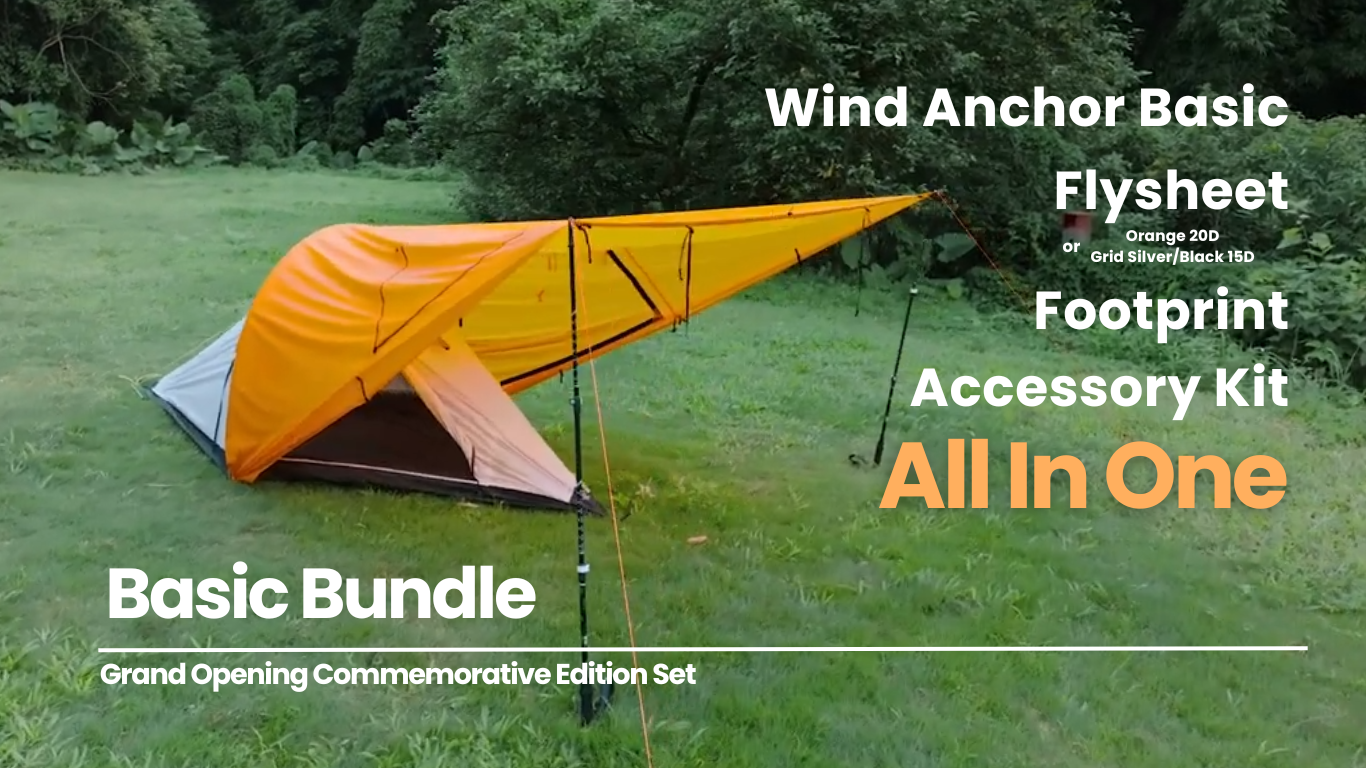
Single-wall tents save weight and pitch time but demand attention to ventilation and seam quality; condensation will be your toughest critic. Double-wall systems (fly plus inner) give more comfort and less night work but cost ounces. Consider a trekking-pole shelter if you already carry poles; it's often lighter and faster to pitch. Bivy sacks and tarps are weight winners but reduce liveable space and privacy. Match the choice to seasonality: three-season alpine weather needs sturdier anchors than mellow summer valleys.
Common setup mistakes and quick fixes
People underpitch tension, forget guylines, or skip a footprint and then blame the tent for damp floors. Simple fixes: practice one-minute pitches at home; always carry a lightweight ground sheet that fits the vestibule; mark your guylines for night adjustments; and replace flimsy stakes with a mix of aluminum and snow/soft-ground anchors when conditions demand. Those habits recover comfort far better than an extra 200 grams ever could.
 Alternatives that deserve a serious listen
If you want options, compare three paths: a true ultralight single-wall for fastpacking, a lightweight double-wall for comfort on long treks, or a hybrid trekking-pole shelter for balance. Evaluate durability by seam tape quality and pole repairability. If you sacrifice a bit of weight for a vestibule and better ventilation, you’ll often gain more usable nights than you lose in grams.
Final chord — how the right choice resolves the problem
Pick a 1P tent that solves the problems you actually face on trail: predictable setup, dry gear, and a shelter that stands in wind without demanding heroics. Trust field-tested experience, inspect materials and pitch speed, and favor designs that admit a little compromise for big reliability. After a decade of solo miles, the tents I return to are the ones that let me sleep and keep walking; that's the quiet value I find echoed in the curated selections at THECATAL.