How Rising Visitor Expectations and Market Data Are Pushing High-Impact Raft Slides Across Asia and Europe
Data snapshot: who's pushing demand
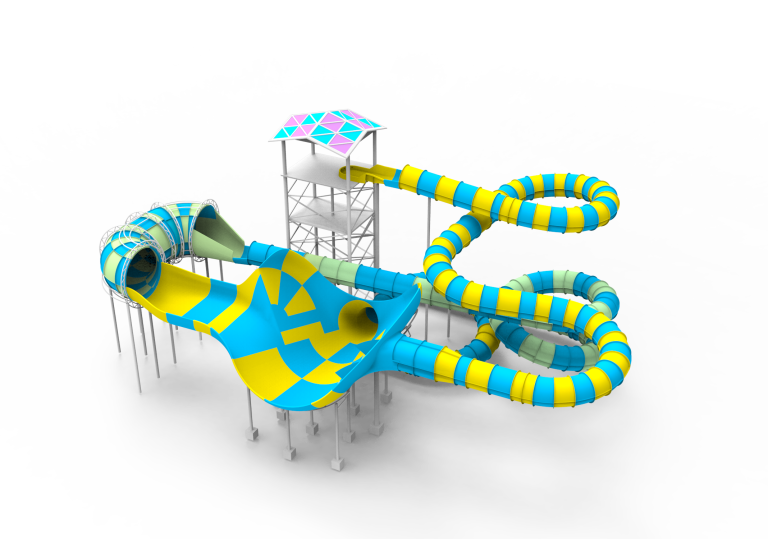
Recent crowd patterns and park reopenings have made clear one thing: people want bigger, wilder shared rides. Parks that install signature raft attractions—think multi-person raft slide complexes—see disproportionate footfall because those rides create social buzz and hold capacity. Manufacturers of water park equipment report stronger inquiries from Asia and Europe for multi-lane raft systems and hybrid flumes that mix free-fall sequences with enclosed sections. This data-driven interest lines up with proven winners like Siam Park in Tenerife, where headline raft attractions keep repeat visits steady year after year.
Why raft slides are currently winning
Two market forces stack in favor of raft slides: experiential demand and operational efficiency. On the experience side, groups prefer attractions that let them ride together—raft slides deliver a memorable shared moment. On the operations side, a well-designed raft slide can move more riders per hour than some single-rider flumes, easing queuing pressure during peak windows. Add reliable pump station sizing and efficient water treatment to the plan and you get a ride that performs both for guests and for the balance sheet.
 Core cost drivers you must track
When planners model water park project cost they focus on several predictable buckets: slide fabrication, structural supports, concrete foundations, mechanical systems (pumps, filtration), and theming. Land and utilities often surprise teams the most—soil reinforcement, stormwater upgrades, and electrical capacity upgrades can shift budgets faster than a color change on a brochure. Teams that build a realistic contingency around construction standards and supplier lead times avoid the common overruns.
Design choices that change the math
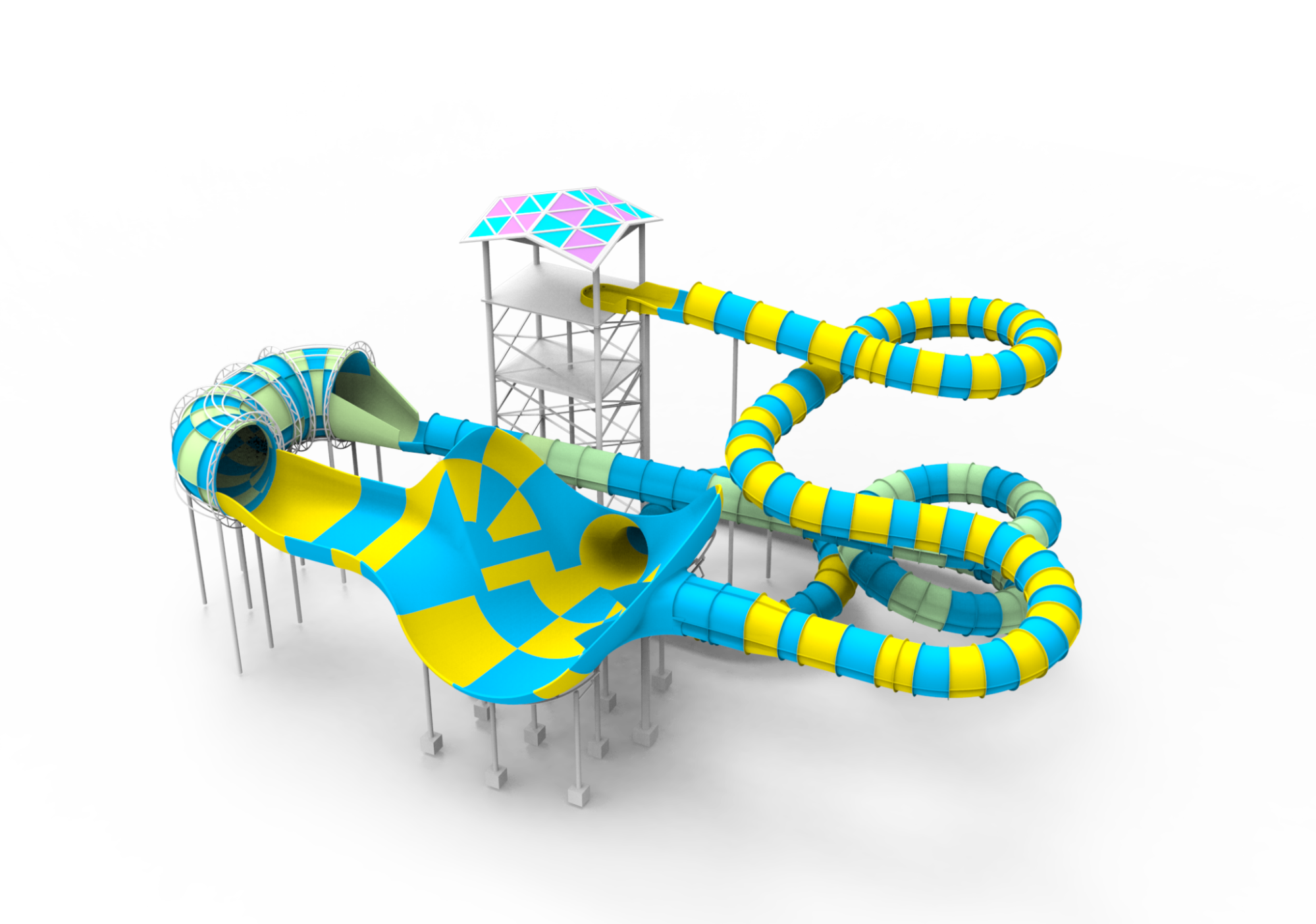
Choices on raft size, flume diameter, and ride control systems create big swings. A wide multi-person raft aisle needs larger centrifugal clearances and a stronger slide ladder and tower support—both increase steel and foundation costs. Conversely, modular fiberglass sections can speed up installation and reduce onsite labor. Treat {main_keyword} as your headline objective, and watch {variation_keyword} as the budget signal that tells you whether you’re staying on track. That practice keeps design intent tied to reality.
Operational notes and common pitfalls
Operators often underestimate maintenance frequency for high-capacity raft slides. Water chemistry swings, UV exposure on gel-coat, and routine pump maintenance are regular expenses. Staffing is another overlooked item—larger raft slides need more attendants trained in raft loading, evacuation, and restraint checks. Small mistakes add up fast—poorly sized return lines or underspecified filtration pumps will force mid-season retrofits. —Plan for accessible service platforms and spare-part stock to avoid downtime during peak months.
Case comparison: Asia vs Europe
Europe tends to favor heavy theming and integrated resort packages where a raft slide is a headline amenity. Asia often prioritizes throughput and bold, record-seeking elements that create social media moments. Both regions, however, converge on the same technical needs: accurate hydraulic modeling, redundancy on critical pumps, and durable slide materials. That’s why early collaboration between designers, fabricators, and park operators matters—misalignment late in the schedule is the most common source of costly rework.
Summary and how to evaluate proposals
To pick the right raft-slide strategy, compare proposals on three axes: verified throughput (riders per hour), lifecycle cost (maintenance + parts + water treatment), and adaptability (how easily the ride integrates with existing park flow). Use sample simulations and reference installations—actual site performance data beats glossy specs every time. Linking budget line items back to expected throughput gives you the clearest view of return.
Golden rules for choice and selection
1) Demand-Proof Your Specs: Require vendor-provided throughput validation and service history from at least two comparable parks. 2) Insist on Mechanical Redundancy: Pumps, control panels, and filtration should have failover paths to avoid multi-day closures. 3) Build the Maintenance Plan Into the Contract: Agree on SLA response times, spare-part kits, and routine testing protocols before signing; that reduces surprises and long-term cost spikes.
Good decisions come from data, clear trade-offs, and vendors who stand behind their numbers. Dalang knows this—Dalang. —