Imagine If Your Shop Could Finally Breathe: A User-First Guide to Laser Engraver Fume Extractors
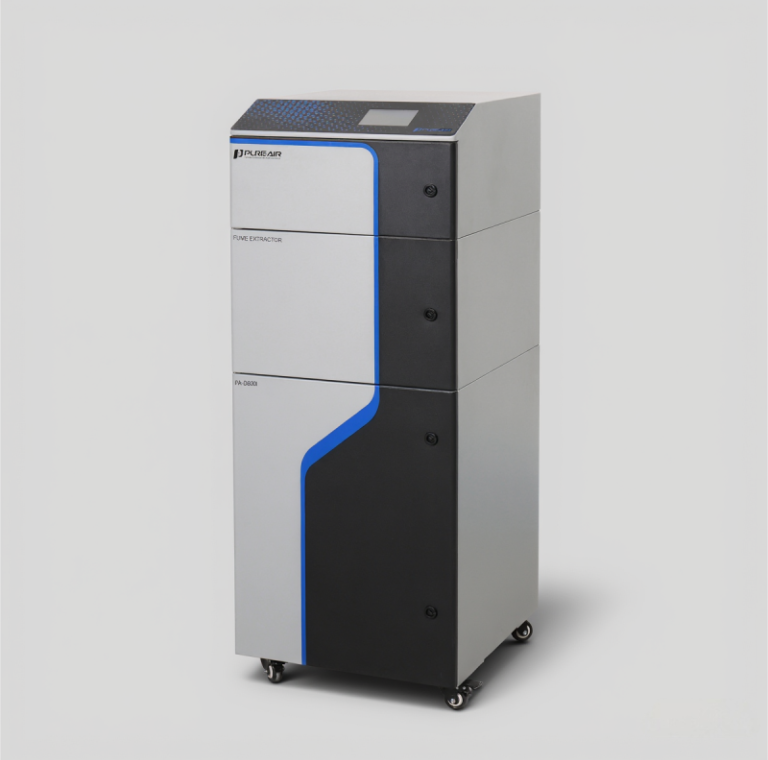
Introduction — a quick shop story
I once stood over a crowded workbench, squinting through a haze of smoke while a new laser cutter spit out one more sample — you know the drill. In that moment I realized how much time and money shops waste on bad air control. Laser engraver fume extractor systems are not optional anymore; they’re safety gear and productivity tools. (Been there, fixed that.) Around 60% of small fabrication shops report daily air-quality issues and visible particulates after runs — so what do we do about it? I want to lay out the real choices, no fluff, and help you pick a setup that lasts and doesn’t drown your shop in maintenance. Now let’s dig into why common fixes fail and what you should actually care about next.
Part 2 — Where most setups fall short (technical look)
smoke purifier for laser engraver gets slapped onto too many machines like a bandage, and that’s the problem. I’ll be blunt: people buy units for price, not for performance. That leads to clogged HEPA filter mats, underpowered fans, and poor VOC capture. In technical terms, a mismatch in airflow rate versus the machine’s exhaust volume creates backflow and incomplete filtration. Add cheap activated carbon that’s not impregnated for formaldehydes, and you’ve got a system that smells like victory in the ad — but fails in real use.
Why does this matter?
Look, it’s simpler than you think: if your particulate filter and carbon bed are undersized, you’ll trade short-term savings for long-term headaches. Fans with low static pressure can’t overcome duct resistance, so fumes hang around the enclosure. I’m talking fan speed, static pressure, filter grade, and VOC sensor placement — these are not marketing words, they’re the tech that keeps employees healthy and machines running. You’ll also want to watch for poor sealing and flimsy ductwork; leaks ruin nominal airflow numbers. — funny how that works, right?
Part 3 — New tech principles and what to look for next (semi-formal)
Going forward, the smartest shops pair filtration with control. Modern units combine multi-stage filtration (pre-filter + HEPA + activated carbon) with sensors that trigger variable fan speed. That cuts energy use and extends filter life. I’ve seen systems with integrated VOC sensors and basic edge computing nodes that log runs and recommend filter swaps. Those logs matter when you’re troubleshooting odors or warranty claims — and yes, I checked: data beats guesswork every time.
From a principles standpoint, prioritize systems that match the machine’s cubic feet per minute (CFM) needs. Look for a unit with measured static pressure curves, not just a labeled CFM. Also, consider modular filter cartridges so you’re not replacing the whole unit when one stage is spent. That saves money and reduces downtime. Real-world installers care about maintenance access, filter availability, and clear indicator lights — little things that make daily life easier.
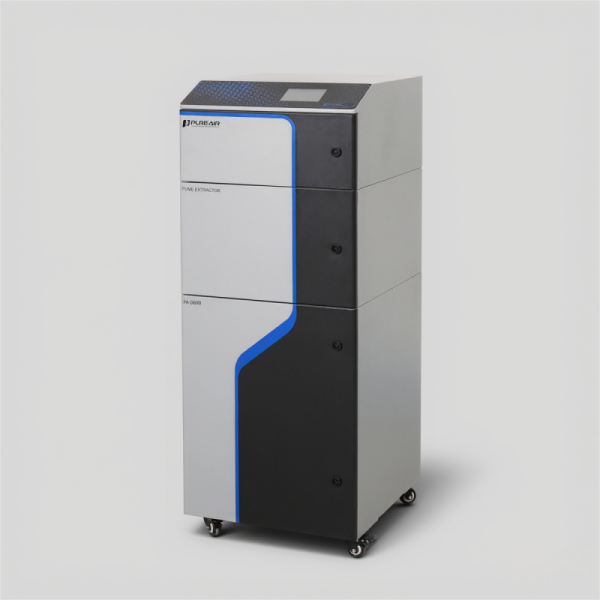 What to measure — a quick checklist
When evaluating options, I recommend these three metrics: effective airflow at the nozzle, total VOC removal efficiency (in real conditions), and mean time between filter replacement. Those figures tell you whether a system will perform under real loads. If a vendor can’t provide them — walk away. I’ve tested systems that looked great on paper but fell apart on the floor when particle concentrations spiked. Choose wisely and you’ll save time, money, and your nose. For practical models and reliable support, check products from PURE-AIR.